Understanding the Growth Catalysts
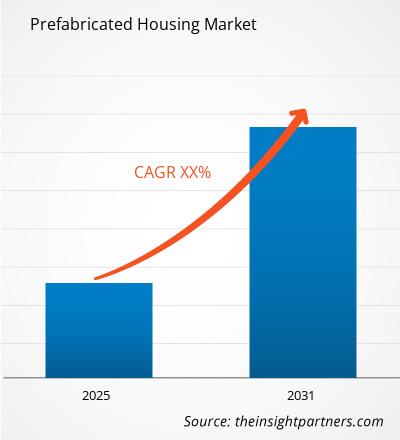
Several interconnected factors are propelling the steady expansion of the prefabricated housing market. First and foremost is the global housing shortage. Rapid urbanization, particularly in emerging economies across Asia-Pacific and parts of Africa, has created an unprecedented demand for affordable residential units. Traditional construction methods struggle to match this pace due to extended timelines and labor dependencies. Prefabricated construction dramatically compresses project timelines — often by 30% to 50% — allowing developers to deliver housing supply far more rapidly.
Secondly, persistent labor shortages and rising wage costs in developed regions like North America and Europe have made traditional on-site construction increasingly expensive and risky. Shifting the bulk of construction tasks to a specialized factory environment allows for optimized labor productivity, automated precision, and a significantly safer working environment for tradespeople.
Sustainability is another powerful driver. Factory-based production operates on lean manufacturing principles, which minimizes material waste through precise digital modeling and standardized cutting. Additionally, indoor manufacturing shields building materials from inclement weather, protecting wood and drywall from moisture damage during assembly. This controlled approach also significantly reduces the carbon footprint associated with heavy machinery and logistics on active jobsites.
Get a PDF Sample– https://www.theinsightpartners.com/sample/TIPRE00020888
Evolving Consumer Perceptions and Technological Advancements
Historically, prefabricated homes carried a stigma of being cheap, uninspired, or lacking in structural durability. However, modern engineering has completely dismantled this perception. The integration of Building Information Modeling (BIM) and computer-aided manufacturing allows for highly customizable, architecturally striking, and structurally superior designs. Today’s prefab homes frequently outperform traditional structures in thermal insulation, seismic resistance, and energy efficiency.
Furthermore, the rise of modular luxury and high-end prefabricated estates has rewritten the market narrative. Discerning homebuyers are increasingly choosing prefabricated methods not just to save money, but to ensure exceptional quality control and predictable timelines that traditional custom builds simply cannot guarantee.
Key Market Competitors
The global market features a diverse ecosystem of well-established industrial manufacturers, engineering conglomerates, and specialized architectural builders. These companies are continuously investing in automation, sustainable materials, and geographic expansion to capture growing demand. Prominent key players shaping the industry landscape include:
-
Algeco Scotsman: A major player specialized in modular space solutions and temporary or permanent modular structures across various regions.
-
Astron Buildings: Renowned for engineering high-quality, pre-engineered steel buildings and structural solutions across Europe.
-
Bouygues Construction: A global construction giant integrating advanced industrial prefabrication techniques into massive residential and commercial projects.
-
Butler Manufacturing Company: A leader in the design and production of pre-engineered metal building systems, offering robust and scalable structures.
-
Cavco Industries, Inc.: A prominent North American producer of manufactured homes, modular homes, and park model RVs, highly focused on affordable living.
-
Kirby Building Systems: A premier manufacturer of custom-engineered steel buildings, catering heavily to industrial, commercial, and institutional markets.
-
Lindal Cedar Homes: Celebrated for creating high-end, custom-designed post-and-beam prefabricated homes focusing on luxury aesthetic and natural materials.
-
RED SEA INTERNATIONAL: A dominant provider of large-scale modular housing solutions, specialized in rapidly deployable living complexes for industrial and remote sites.
-
Ritz-Craft Corporation: A vertically integrated modular home manufacturer delivering diverse residential solutions through custom builder networks.
-
Skyline Corporation: A long-standing designer and producer of manufactured and modular homes, recognized for quality craftsmanship in the residential sector.
Get Full Copy of This Report- https://www.theinsightpartners.com/buy/TIPRE00020888
Future Outlook
The future of the prefabricated housing market points toward deeper technological integration and a heightened emphasis on circular economy principles. As the industry advances through 2034, expect to see the widespread adoption of automated robotic assembly lines and advanced 3D printing techniques embedded within factory floors to further drive down production times and material costs. Smart home technologies will also become natively integrated during the factory phase, ensuring that homes are fully wired and optimized for energy management before they ever arrive on-site. Additionally, the tightening of global carbon regulations will position prefabricated housing as a preferred choice for green-certified developments. Driven by continuous technological refinement and a fundamental shift in how the world views construction efficiency, the market is poised to firmly solidify its role as an indispensable solution for future global housing needs.





Leave a Reply